Featured
Table of Contents
Adjusting Home Finances in Dayton Credit Counseling Throughout 2026
The financial environment of 2026 has actually brought a new set of obstacles for households trying to stabilize increasing expenses with long-lasting stability. While inflation has actually stabilized compared to the start of the decade, the cumulative result on grocery prices and housing remains a heavy concern for lots of families. Mastering the 2026 budgeting cycle requires more than just tracking costs. It requires a proactive technique focused on credit healing and debt reduction.Families in Dayton Credit Counseling frequently find that standard budgeting techniques need adjustment to account for the present rates of interest environment. With credit card rates remaining high, the expense of bring a balance has become a substantial drain on monthly earnings. Expert guidance on Credit Counseling has helped lots of individuals recognize where their money is leaking and how to redirect those funds towards high-impact debt repayment. The first step in this year's cycle includes a deep take a look at fixed versus variable costs. In 2026, subscription services and digital memberships have actually ended up being stealthy budget killers. An extensive audit of bank declarations often reveals hundreds of dollars in automatic payments that no longer supply value. Redirecting this recuperated money towards credit card principals can speed up the course to financial flexibility.
Strategic Credit Reconstructing in the 2026 Economy
Credit report in 2026 are more than simply numbers; they determine the feasibility of major life modifications, from transferring to a brand-new leasing in the surrounding region to securing a car loan. Rebuilding a damaged rating requires consistency and an understanding of how contemporary loan providers see threat. Payment history remains the most prominent aspect, but the debt-to-income ratio has actually taken on increased value as loan providers tighten their requirements. Local Credit Counseling Services provides a clear course for those who have actually experienced financial problems. By working with Department of Justice-approved firms, families can access structured strategies that simplify the healing process. These programs frequently focus on reducing the overall interest paid, which allows more of each payment to go toward the real debt. This accelerated reduction in overall balance is one of the fastest ways to see a positive relocation in a credit score.Nonprofit credit counseling agencies play a vital role in this process by offering free examinations. These sessions help citizens of the regional area understand their existing standing without the pressure of a sales pitch. Counselors take a look at the total financial picture, consisting of concealed debts and potential cost savings, to develop a roadmap that is reasonable for the 2026 expense of living.
The Mechanics of Debt Management and Debt Consolidation

For numerous households, managing multiple charge card payments with varying due dates and rate of interest is the main source of financial tension. Financial obligation management programs have actually become a favored option in 2026 since they consolidate these commitments into one workable monthly payment. This method does more than just simplify bookkeeping. It typically involves worked out rate reductions that are not available to individuals acting upon their own.When a household goes into a financial obligation management strategy, the not-for-profit firm works directly with financial institutions to lower rates of interest and waive certain fees. This is particularly helpful in 2026, where typical retail card rates have actually reached historical highs. By reducing the interest, a bigger portion of the month-to-month payment strikes the primary balance right away. This methodical approach guarantees that the debt is paid off within a particular timeframe, normally 3 to 5 years.Successful budgeting also needs a strategy for the unforeseen. In Dayton Credit Counseling, households are motivated to develop a modest emergency fund even while paying down debt. While it seems counterproductive to conserve while owing cash, having a little buffer prevents the need to utilize charge card when a cars and truck repair or medical expense occurs. This breaks the cycle of financial obligation that traps so lots of households in an irreversible state of financial insecurity.
Housing and Financial Literacy in Dayton Credit Counseling
Housing stays the largest expense for most families in the surrounding region. Whether renting or owning, the 2026 market requires careful preparation. HUD-approved housing counseling has ended up being a staple for those seeking to buy their first home or those having a hard time to stay in their existing one. These services provide an objective view of what a household can really afford, factoring in the total expense of ownership rather than just the home loan payment.Education is the structure of any long-lasting monetary success. Lots of neighborhood groups now provide workshops on monetary literacy that cover everything from basic accounting to complicated credit laws. Homeowners increasingly count on Credit Counseling in Dayton to navigate intricate financial requirements and ensure they are making notified decisions. Understanding how credit reporting works and understanding your rights under the Fair Credit Reporting Act is important in an age where information errors can have instant monetary consequences.The 2026 budgeting cycle is not just about survival; it is about constructing a structure for future growth. By making use of the resources supplied by nonprofit firms, families can move from a state of consistent stress to among regulated progress. This involves setting clear goals, such as reaching a specific credit report or getting rid of a particular debt by the end of the year.
Long-Term Stability and Neighborhood Resources
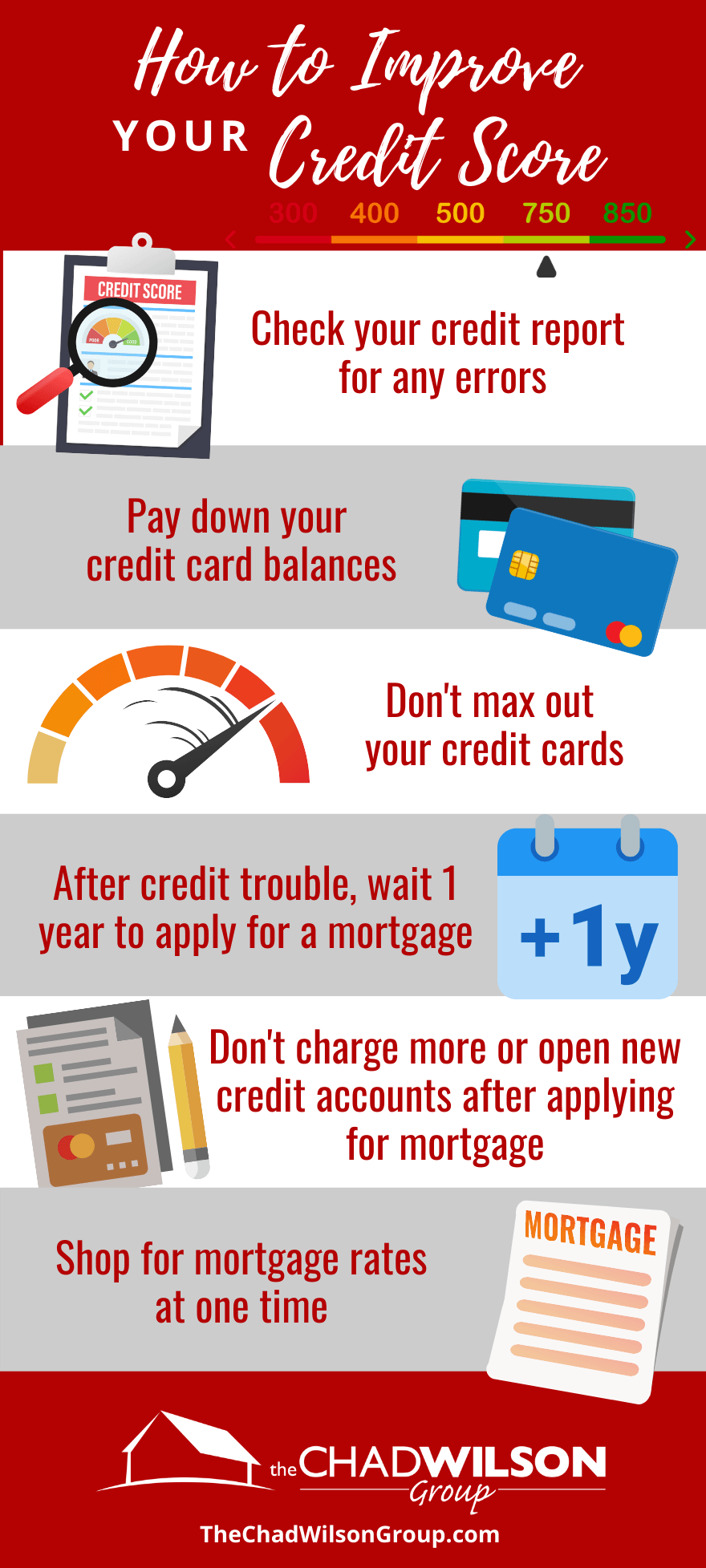
Community partnerships in Dayton Credit Counseling have broadened to provide a more comprehensive assistance system. Financial institutions and regional nonprofits are collaborating more regularly to offer co-branded programs that focus on financial obligation decrease and cost savings. These initiatives often consist of tools for real-time budget plan tracking and alerts that aid families remain on schedule.Pre-bankruptcy therapy and debtor education are also readily available for those dealing with more serious financial distress. These are not just legal requirements however are created to offer the tools essential to prevent future monetary crises. By gaining from past errors and implementing new routines, people can emerge from insolvency with a plan to rebuild their credit and maintain a well balanced budget moving forward.The path to monetary health in 2026 is a marathon, not a sprint. It requires a commitment to changing habits and a desire to look for assistance when the problem becomes too heavy. With the right tools and a structured strategy, families can take control of their financial resources and eagerly anticipate a more steady future in the United States. The resources are readily available; the secret is taking the first action toward a more orderly and debt-free life.

Latest Posts
Securing Stability With a Fixed Rate Consolidation Strategy
Empowering Your State Purchasers with Financial Knowledge
How to Develop a Stronger 2026 Financial Structure